Breaking Down the Dental Implant Process Timeline

Are you considering dental implants to recover your smile and gain self-confidence? This guide will certainly take you detailed via the dental implant procedure timeline. From the initial examination to restoration, you will feel educated and ready for every action along the way.

Deciding to obtain implants is a significant action toward improving oral health and total well-being. Nonetheless, the process needs some patience since it might not occur in a single browse-through. The results of a long-term, natural-appearing dental implant tooth, will certainly make the procedure worthwhile. Yet you likely have questions relating to the process and what lies ahead for you on this journey.

Why You May Need a Dental Implant

There are several factors that you might need to have a dental implant. First, one of the most typical reasons is needing the removal of a solitary tooth. The implant replaces the missing tooth with a prosthetic. Since your bone grows around the base of the implant, it fits permanently in your mouth and does not move.

An additional reason for requiring implants is as sites to protect oral bridges or dentures. By using implants to hold these components in position, they feel more all-natural and do not cover the roof of your mouth or need glue or strips to hold them in position. Your smile will feel and look safer with implant-held partials or dentures.
Lastly, if you wonder, “Are dental implants permanent?” the answer is a resounding yes.

Advantages of a Dental Implant

Dental implants supply several benefits that balance out the process needed to have them put in your mouth. First, dental implants can last for the rest of your life. They will certainly not fall out or create dental caries. After implantation of the post, the jaw grows to hold it in place, similarly that your jaw holds other teeth in your mouth. Subsequently, the implant becomes just like an all-natural tooth.

Secondly, you don’t need to remove the implant for cleaning. Brush and floss it as you do your natural teeth to remove stains and keep the surrounding teeth healthy. With easier dental care, you have one less thing to worry about when you choose to get dental implants in NJ.

Your mouth does not experience spaces or crowding between your teeth after an extraction when you have an oral implant positioned. Because your bordering teeth do not move after the removal, you decrease the requirement for adult dental braces or various other placement techniques to correct your smile.

When making use of oral implants to replace several teeth, you do not experience bone loss as you would certainly if you picked traditional dentures. Implants encourage bone development in the jaw.

One more advantage of using implants for multiple teeth is their stamina. You don’t need to transform your diet when you wear implants. Consequently, it’s simpler to obtain fresh, crunchy vegetables and fruits in your diet to stay healthier.

Finally, dentures protected from implants do not need adhesive to be held in place. They feel and look more natural. Plus, they do not move in your mouth, lowering the chances that your eating behaviors or talking capabilities will certainly transform.

Besides all the advantages listed above, it is crucial to ask your dentist about the disadvantages of dental implants as well.

The Dental Implant Refine Timeline

The process of getting a dental implant begins with the removal of the tooth that you need to have pulled. After this step, the precise procedure will depend on the variety of implants you require and the state of the bone in your mouth. Do not hesitate to speak with the dentist throughout the assessment if you have any questions concerning the oral implant procedure timeline for your case. Generally, from extraction to completion, you may need several months, depending on the extra procedures required and your body’s recovery time.

Initial Consultation

Your trip toward dental implants starts with an extensive assessment with a dental practitioner or oral surgeon. During this go-to, they will assess your dental health and the feasibility of dental implants before doing any type of further diagnostic screening. X-rays or CT scans may be carried out to evaluate bone thickness and structure within your jawbones.

Treatment Plan

Once it has been determined you qualify as a candidate for oral implants, an individualized treatment plan will certainly be created, especially to satisfy your private needs. This strategy will certainly inform you of the number of implants required, their type, and any additional treatments (bone grafting, sinus lifts, etc) required to guarantee their success.

Extraction

Next, you will require the removal of the harmed tooth that the dental implant will certainly change. This procedure will certainly call for some post-extraction recovery time. The dental doctor may likewise determine if you need a bone graft to add enough bone product for the implant to hold onto.

Bone Grafting

Not every person will require a bone graft to include material to the jawbone. Nevertheless, if you need this action, you may have a few weeks or months included in the timeline for the new bone product to take hold and grow. Your oral cosmetic surgeon will know whether you need a bone graft to suit the dental implant.

Implant Insertion

After your dental expert feels comfortable that you have sufficient bone for the dental implant, generally 2-3 months after positioning, they will place the base of the implant into place. The treatment is typically done under regional anesthesia to decrease pain. This base resembles a screw that holds snugly to the bone as the jaw grows around it. You could need a short-lived leading positioned over the implant as you await the bone to grow around it.

Recovery

After dental implant placement, a duration of healing needs to pass to permit correct osseointegration of the implants. The surrounding bone in an osseointegration process may take weeks or even months, depending on individual recovery aspects and the intricacy of the situation.

While recovery happens, short-lived repairs might be worn to keep appearances and functionality throughout this time around. Talk with your dental practitioner concerning any type of short-term dietary adjustments you need to make. Many patients are required to take on a soft diet throughout the healing sections of their dental implant procedure.

Completing the Joint and Crown

When the implants have incorporated with your jawbone, abutments will be affixed. Joints are tiny ports that stick out over the gum tissue line, serving as anchors for final restorations such as crowns, bridges, or dentures, which will be projected onto their joints. Taking perceptions of your mouth will certainly allow us to fabricate customized crowns, bridges, or dentures, which will certainly then be safeguarded utilizing these anchors.

Last Repairs

The last step in the oral implant process involves positioning long-term remediations. Your dental professional will certainly ensure that these reconstructions fit pleasantly and securely so you can enjoy your new smile for several years ahead.

Post-Placement Care

Following the placement of oral implants, it’s vitally important to exercise proper dental health habits and go to routine exams with your dental professional to ensure long-lasting success. Correct maintenance will help ensure their long-lasting success while keeping the overall wellness of bordering teeth and periodontal.

Contact Us for Dental Implants or Other Oral Health Care

The dental implant process can be an intricate journey that requires planning, execution, and dedication to oral health. By understanding its timeline and what to expect at each stage, you can approach it with confidence and achieve the smile you’ve always dreamed of.

For a consultation to see if you can get a dental implant or for more information about “what are mini dental implants?” contact us.

We offer comprehensive dental services for the entire family, including sleep apnea treatment, cosmetic dentistry, preventive dentistry, and restorative dentistry. Trust your family’s dental health to our team.
** GULF COUNTRY ARABS SURPASS EUROPEANS IN MEDICAL TOURISM TO TURKEY **

**FOR IMMEDIATE RELEASE**

** GULF COUNTRY ARABS SURPASS EUROPEANS IN MEDICAL TOURISM TO TURKEY **

*Istanbul and Antalya, Turkey – [Date]* TurkeyMedicals.com – In recent years, Gulf country Arabs have increasingly outpaced Europeans in seeking medical tourism in Turkey. The allure of advanced healthcare facilities, renowned specialists, and competitive pricing makes Turkey a preferred destination for various treatments, including cosmetic surgery, dental care, and fertility treatments. The cultural and linguistic similarities foster a comfortable environment for Gulf patients, enhancing their overall experience. Additionally, Turkey’s stunning landscapes and rich history provide an attractive backdrop for recovery. Turkey Medicals, “As this trend continues, Turkey solidifies its reputation as a leading hub for medical tourism, catering to the growing demand from Arab nations”, said Medicalpark International Patients Coordinator.

** Exploring IVF Treatment in Turkey: Istanbul and Antalya as Top Destinations **

Considering the IVF treatment in Turkey best at Istanbul and Antalya particularly, offers a compelling blend of advanced medical facilities and affordable pricing. Istanbul is renowned for its cutting-edge clinics and experienced specialists, providing patients with a wealth of options and state-of-the-art technology. Meanwhile, Antalya boasts a more serene environment, perfect for recovery. Both cities attract international patients, enhancing their expertise in diverse cases. With the ultimate goal of helping families achieve their dreams, Turkey’s IVF success rates and comprehensive care make it an attractive destination for those seeking fertility solutions. Delve into the possibilities that await in this vibrant country.

** Comprehensive Health Check-Ups in Turkey: Discover Istanbul and Antalya **

Turkey has emerged as a premier destination for health check-ups, with Istanbul and Antalya leading the way. Istanbul offers a wealth of modern medical facilities and experienced healthcare professionals, ensuring thorough assessments and personalized care. Meanwhile, Antalya’s serene environment provides a relaxing backdrop for health evaluations. Both cities emphasize preventive care, utilizing advanced diagnostic technologies to deliver comprehensive health insights. With competitive pricing and high standards, patients can confidently embark on their wellness journeys. Delve into the benefits of full medical and eye check-ups in Turkey, where quality care meets a unique cultural experience.

** Change Your Smile: Dental Treatments in Turkey’s Istanbul and Antalya **

Turkey has become a top choice for dental treatments, most popular in Istanbul and Antalya. Istanbul boasts state-of-the-art clinics with highly skilled professionals, offering a wide range of services from top cosmetic dentistry to implants in Antalya, Turkey. Meanwhile, Antalya combines expert care with a stunning coastal setting, perfect for recovery after procedures. Both cities provide competitive pricing without compromising quality, making dental care accessible to international patients. With an ultimate focus on patient satisfaction, Turkish dental clinics utilize advanced technology to ensure effective treatments. Delve into the world of dental tourism in Turkey, where your dream smile awaits.

** Revitalize Your Look: Hair Transplants in Turkey’s Istanbul and Antalya **

Turkey has emerged as a leading destination for hair transplants, with Istanbul and Antalya at the forefront. Istanbul, a bustling metropolis, is home to cutting-edge clinics staffed by experienced specialists, offering advanced hair techniques in Istanbul like FUE and DHI transplants. Antalya, known for its scenic beauty, provides a serene atmosphere for recovery, ensuring a holistic experience. Both cities offer competitive pricing and high success rates, attracting patients from around the globe. With personalized care and state-of-the-art facilities, Turkey is transforming hair restoration into an accessible and effective journey. Discover the confidence that comes with a fuller head of hair in Turkey.

** Enhancing Vision: Eye Surgery in Turkey’s Istanbul and Antalya **

Turkey is rapidly gaining recognition as a premier destination for eye surgery, particularly in Istanbul and Antalya. Istanbul features cutting-edge eye clinics equipped with the latest technology and skilled ophthalmologists, specializing in eye procedures like LASIK and cataract surgery in TurkeyIn contrast, Antalya offers a tranquil setting, ideal for recovery after surgical interventions. Both cities boast competitive prices and high success rates, attracting international patients seeking quality care. With a strong emphasis on patient comfort and satisfaction, Turkey provides the ultimate opportunity to improve your vision. Delve into the world of eye surgery in Turkey and rediscover clarity and confidence.


** Transform Your Health: Gastric Sleeve and Bariatric Surgery in Turkey **

Turkey has emerged as a leading destination for gastric sleeve and bariatric weight loss surgery in Istanbul and Antalya at the forefront. Istanbul offers advanced medical facilities staffed by renowned specialists, providing a range of weight loss options tailored to individual needs. Antalya, with its picturesque setting, creates a soothing environment for post-operative recovery. Both cities combine high-quality care with affordable pricing, making them attractive choices for international patients. With a focus on comprehensive support and personalized plans, Turkey empowers individuals to achieve lasting weight loss and improved health. Embark on your transformative journey in this vibrant country!


** Redefine Your Beauty: Plastic Surgery in Turkey’s Istanbul and Antalya **

Turkey has become a premier destination for plastic surgery with Istanbul and Antalya leading the wayIstanbul is renowned for its world-class clinics and highly skilled surgeons, offering a wide array of procedures, from rhinoplasty to facelifts. Antalya, known for its stunning landscapes, provides a serene backdrop for recovery, combining beauty with medical excellence. Both cities prioritize patient safety and satisfaction, delivering results that align with international standards. With competitive pricing and comprehensive care, Turkey offers the ultimate opportunity to enhance your appearance. Delve into the transformative potential of plastic surgery in this vibrant country.


** Elevate Your Confidence: Breast Aesthetic Surgery in Turkey **

Turkey has become a top destination for breast aesthetic surgery popular in Istanbul and Antalya at the forefront. Istanbul’s cutting-edge clinics feature highly qualified surgeons who specialize in procedures such as breast augmentation, reduction, and lifts, ensuring personalized care and impressive results. Meanwhile, Antalya offers a tranquil environment, perfect for recovery amidst beautiful surroundings. Both cities combine advanced medical technology with competitive pricing, attracting patients from around the globe. With a strong emphasis on patient safety and satisfaction, Turkey provides a transformative experience for those seeking to enhance their silhouette. Discover the confidence that comes with breast aesthetic surgery in Turkey.

** Sculpt Your Ideal Shape: Body Aesthetic Surgery in Turkey **

Turkey has emerged as a leading hub for body aesthetics in Istanbul and Antalya is at the forefront. Istanbul is renowned for its state-of-the-art clinics and experienced surgeons, offering a range of procedures including liposuction, tummy tucks, and body contouring. Meanwhile, Antalya provides a serene coastal setting, ideal for recovery after surgery. Both cities prioritize patient care and safety, ensuring high standards of medical excellence. With competitive prices and a commitment to personalized treatment plans, Turkey presents an ultimate opportunity for individuals seeking to enhance their physique. Transform your body and boost your confidence in this vibrant country!


** Reclaim Your Curves: Fat Transfer Surgery in Turkey **

Turkey has become a premier destination for fat transfer surgery in Turkey particularly in Istanbul and Antalya. Istanbul offers cutting-edge clinics with skilled surgeons who specialize in procedures like the lip of killing, ensuring natural-looking results that enhance body contours. Meanwhile, Antalya’s beautiful environment provides a relaxing atmosphere for recovery. Both cities are known for their advanced techniques and comprehensive care, attracting patients worldwide seeking body enhancement. With competitive pricing and a focus on patient satisfaction, Turkey presents the ultimate opportunity to achieve the curves you desire. Experience the transformative effects of fat transfer in this vibrant country!

** About Turkey Medicals, International Patient Centers**

Turkey Medicals the dynamic hospital unit operates on full service and welcomes foreigners from 70 countries worldwide for the top health tourism in Turkey. Our health assistance best serves over 6 million domestic and international patients with a respected staff comprising 7,000 dentists, specialist doctors, professors, and academicians in JCI American accredited, high-end 28 private hospitals in 14 cities, the largest 5-star healthcare group in Turkey, and safe. For more information about Health and Medical tourism in Istanbul and Antalya, Turkey please visit [https:/ /turkeymedicals.com] or contact us at [info@turkeymedicals.com].

### END ###

*For media inquiries, please contact: [Buket Tuncbilek] [International Patients Center Coordinator] [Turkey Medicals] @ Medicalpark Hospitals Group [+90 507 163-6297] [https://turkeymedicals.com] [info@turkeymedicals.com]*

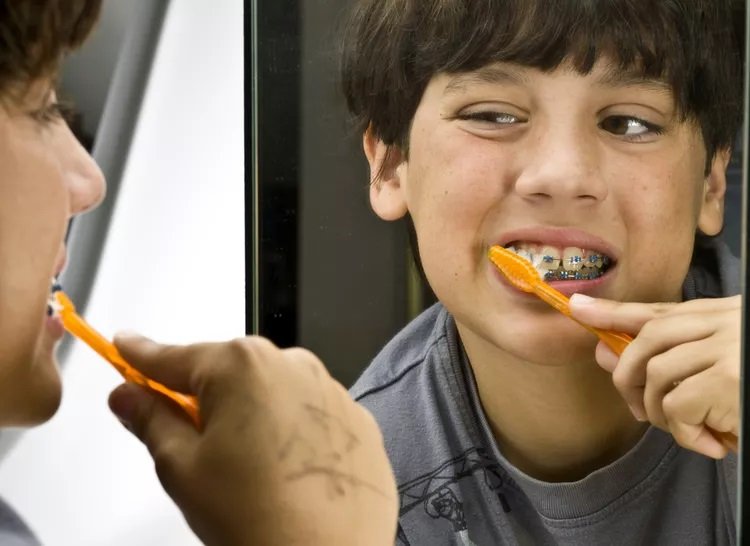
What to Do About Loose Braces

Loose braces(lose zahnspange) may be handled in loads of ways relying on the scenario to hand. If your braces have turned out to be free, you need not fear, due to the fact coping with a loose bracket is less complicated than you would possibly suppose.

When Braces Are Loose
Your braces can emerge as unfastened because of some of the motives, which include consuming the incorrect food.1 The maximum not unusual reasons are:

Bad conduct which includes biting your fingernails, nibbling on pens and pencils, or chewing ice
A bad bond between the tooth and the bracket
An alternate in bite due to the steady motion of the teeth
Injury or trauma to the mouth

What You Should Do

If one or more of your braces end up free, name your orthodontist or dentist proper away. If you’re due for an archwire exchange within a few days of the bracket turning unfastened, your orthodontist may additionally advise you to wait until your scheduled appointment.

If your next appointment is not for a few weeks, you will be told to e-book an in-advance appointment to have the braces re-cemented onto your teeth.

Either manner, the office must be informed, so they’re capable of preparing in advance for the more time required for this sort of appointment.

Loose pieces can be a choking hazard. If a piece is a chance for dislodging, contact your orthodontist for guidance about removing it.

The bracket is largely “floating” on the twine while it has come to be loose, which may motivate it to slide right into a function where it causes some discomfort.

If the bracket is rubbing at the gum, region a chunk of the orthodontic wax over the bracket as wished. If you don’t have any wax, use a bit of sugar-loose gum as a substitute.

If the small rubber band that surrounds the bracket has additionally come off, you may need to contact your orthodontist to re-steady it.

The Risks
Having your braces become unfastened might also set your remedy back months. The enamel will want to play “catch-up” with the alternative enamel around it.

Promptly taking care of an orthodontic emergency, which includes having Loose braces(lose zahnspange), will ensure that your orthodontic treatment continues to stay on target.

Ultimate Guide Of Denture Making Materials Options In Dentistry

denture making materials

Dental Making Material Introduction

When choosing a dental material it is important to consider whether the material is designed for the type of restoration and whether you have the correct dental lab equipment to help you perform the restoration. It is also vital to make sure that you have been equipped with the necessary skills to use the materials for correct restorations.

The type of dental dentures you require for your teeth is mainly contributed by the budget you have set to spend. There are several denture making materials used and each has its advantages and disadvantages. In this article, we are going to mainly focus on five dental-making materials, which are; Zirconia, alloy, peek, pmma, and acrylic resin material.

Types of Dental/Denture Making Material

1. Acrylic resin material

The Acrylic resin material also referred to as plastic can be molded and shaped to look like normal teeth.  Acrylic is quite popular with denturists and is the usual go-to material, particularly for partial dentures, but can also be used for complete dentures. Metal hooks are used for the adherence of acrylic dentures to your gums. The dentures adjust along with the nearby teeth and stay affixed.

Pros of Acrylic material

Cost-effective- The acrylic material costs much cheaper than the porcelain dentures, therefore it is sometimes preferred by patients due to its affordability

Acrylic weighs less than Porcelain and therefore guarantees the patient comfort

Durability – Dental technology has enabled acrylic material to last longer.

Cons of Acrylic Material

Dental Technology enables the acrylic material to last for longer, however, they are prone to wear and tear and may require replacement after every 5 to 8 years which attracts a cost.

2. Zirconia

Zirconia contains zirconia Oxide and it’s the most preferred dental material to be used in dentistry. It was embraced and become popular when CAD/CAM was introduced in the dental laboratory process. It is mostly popular among restorative dentists.

Pros of Zirconia

Aesthetic feature- Zirconia is aesthetic but not aesthetic due to its opacity feature of zirconia oxide, however, it has a strong feature that makes it suitable.

Durability – Zirconia is known as the strongest ceramic material. It is 10 times stronger than our natural teeth enamel. Therefore, it can last a long time if correctly restored. It also has minimal chances of cracks or damage but it needs proper maintenance to make it last longer.

Biocompatibility – Zirconia material is most preferred as it does not contain any allergenic material or reaction. However, it is still important for patients to be checked out by a dentist for any allergies.

 Cons of Zirconia

It is not budget-friendly compared to Porcelain or Acrylic and that’s why most dentistry did not use it earlier.

The etching application. Since the surface of zirconia is super-smooth and stronger than metal, it’s not easy to etch a solid zirconia crown. You may have to prep differently to provide maximum retention.

Its opacity nature due to the Zirconium oxide is its biggest downside zirconia has

3. Alloy

The metal used in dental alloys is divided into two; noble and base alloys. Noble metals are considered to be special alloys as they do not corrode and they include; gold, platinum, rhodium, ruthenium, Iridium, and Osmium. Base metals are not so special as they corrode and they include; silver, titanium, nickel, copper, and zink. There has been a long history of alloys

There has been a long history of metal alloys used in the oral environment especially golf during ancient times. The metal alloys used in the oral environment there are different types of alloys used as dentures, the metal alloys are commonly used

Pros of Alloys
  • Durability
  • Aesthetic Feature
  • Some Alloy dental material does not corrode such as gold
  • It does not cause adverse tissue reaction
  • It is Inert
Cons of Alloys

Biocompatibility – Metal alloys used in the mouth must be resistant to corrosion otherwise they may start to develop a metallic taste in the mouth which may be allergic. Alloys containing any allergic reaction should not be used on patients

Dental materials for alloys may not be economic friendly especially if you are using gold as the material

Corrosiveness-some dental alloys materials tend to be corrosive such as silver which may create a metallic-like smell in the mouth and cause an allergenic reaction

Not all alloys are suitable for all patients, its therefore important for patients to seek dental advice

4. PMMA

Polymethyl methacrylate (PMMA) is commonly used for prosthetic dental applications, including the fabrication of artificial teeth, denture bases, dentures, obturators, orthodontic retainers, temporary or provisional crowns, and for the repair of dental prostheses.

Pros of PMMA
  • It has good optical clarity, abrasion, and UV resistance
  • Cons of PMMA
  • It tends to wear and tear quickly
  • It has poor impact resistance to solvent, low temperature, and fatigue

5. PEEK

CAD-CAM technology led to the introduction of an increasing number of machinable materials suitable for dental prostheses. One of these materials is polyetheretherketone (PEEK), a high-performance polymer recently used in dentistry with favorable physical, mechanical and chemical properties

Polyetheretherketone (PEEK) is a linear, aromatic, semi-crystalline thermoplastic, high-performance polymer recently used in dentistry as a framework material for metal-free fixed dental prostheses, removable dental prostheses, implant-supported fixed prostheses, implant-retained overdentures

Pros of PEEK

PEEK is a material with no allergic reaction in patients

It is known for its good mechanical properties, high-temperature resistance, chemical stability, polishability, good wear resistance, low plaque affinity, and high bond strength with veneering composites and luting cement.

Cons of Peek

PEEK frameworks have a grayish-brown or pearl-white opaque color and need to be veneered with a composite resin.

Conclusion

Most Materials used for dentures require proper care and a visit to the dentist once in a while. By Practicing proper care the lifetime of the denture can be extended. Missing teeth do not have to affect a person’s self-esteem or overall health. Advanced techniques in tooth replacement allow a dentist to create a plate that matches each individual. With proper oral care and upkeep, dentures can give a person back their smile.

TYPES OF DENTAL ARTICULATORS – SEMI-ADJUSTABLE AND FULLY-ADJUSTABLE

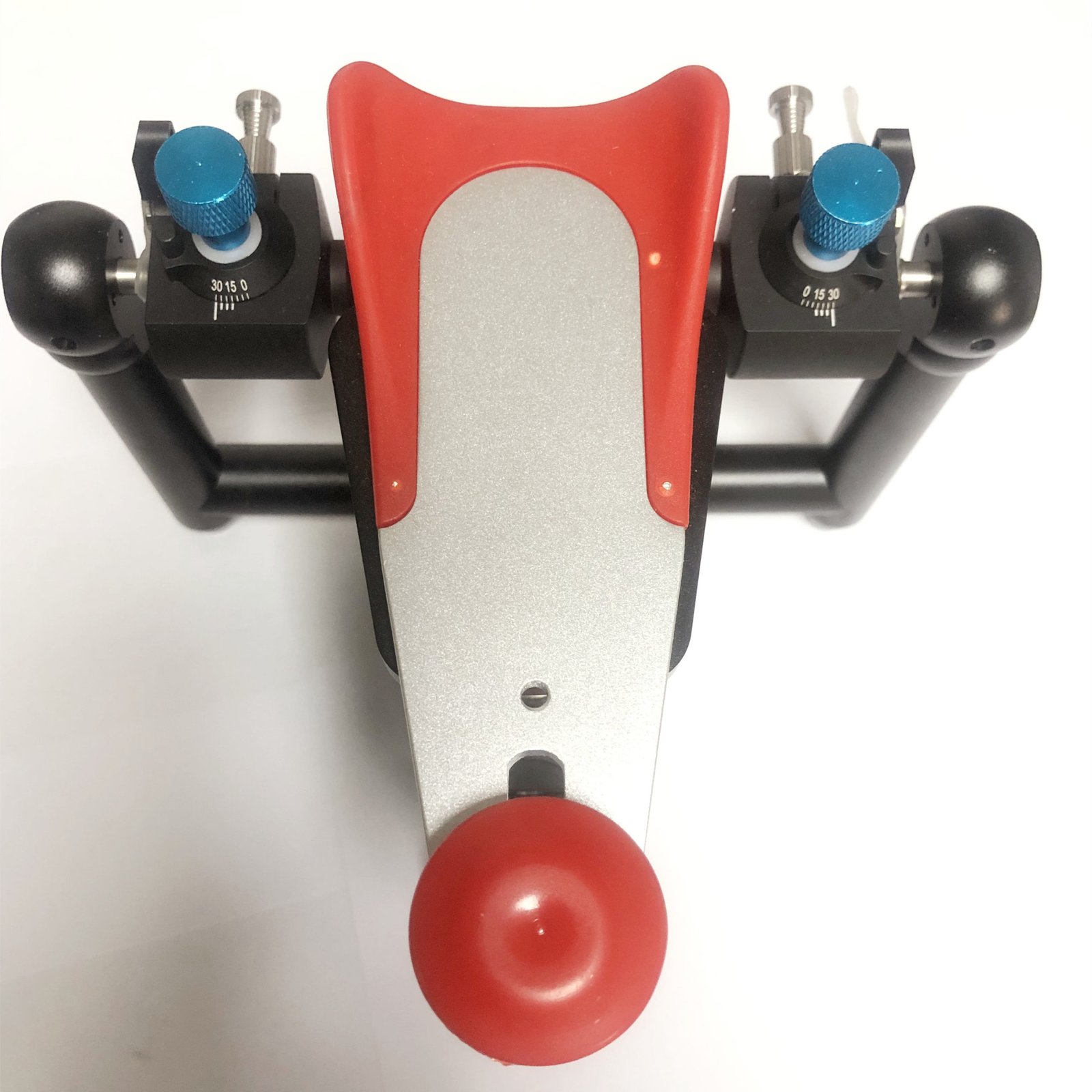
dental articulator semi adjustable

The articulator is offering greater benefits in clinical use, and you will find different types of articulators that vary depending on the type of restoration and personal preference. The dental articulator is the key to providing proper occlusion to the restoration and function throughout the full range of mandibular movements.

The dental articulator is nothing but the mechanical device that represents the temporomandibular joint, and proper jaw members which are attached to the maxillary and mandibular casts.

So, let’s find out the different types of articulators and know some of the recommended products.

What is a dental articulator?

The dental articulators are nothing but they are a kind of mechanical instrument, and it is mainly used to recreate the relationship of the temporomandibular joints with the jaws. Also, the articulator will stimulate the patient’s mandibular movements and helps to achieve both static and dynamic relationship.

 In short, the articular is considered the instrument that will reproduce the range of movement of the jaws. Mostly, the mandibular and maxillary cast will be attached to the articulator so that the functional and para-functional relationship between the teeth can be studied clearly.

You will find different types of articulators, and here are some of the most common types.

Types of articulators:

Depending on the spatial movements and trajectory they perform the articulators are of different types. Each articulator will help to achieve the greater complexity of treatments.  

  • Hinge articulator

The hinge articular is also known as a non-adjustable articulator, and they are not considered articulators, but they can be supportive instrument. The main role of the hinge articulator is to reproduce the static relationship with the model which is mounted. The main advantage of such a hinge articulator is that it is small, and allows easy and quick organization of the models.

The hinge articulator comes in two different classes which are Class Ⅰ and Class Ⅱ;

For Class Ⅰ;

  1. Simplicity of use
  2. Easy to fix
  3. Available for both partial or complete models
Hinge articulator

For Class Ⅱ;

  1. Hinge type and round base
  2. Easy assembly even for the upper jaw
  3. Chrome-plated color
  4. In the upper jaw, there will screw adjustment
round base magnetic articulator
  • Semi-adjustable articulator
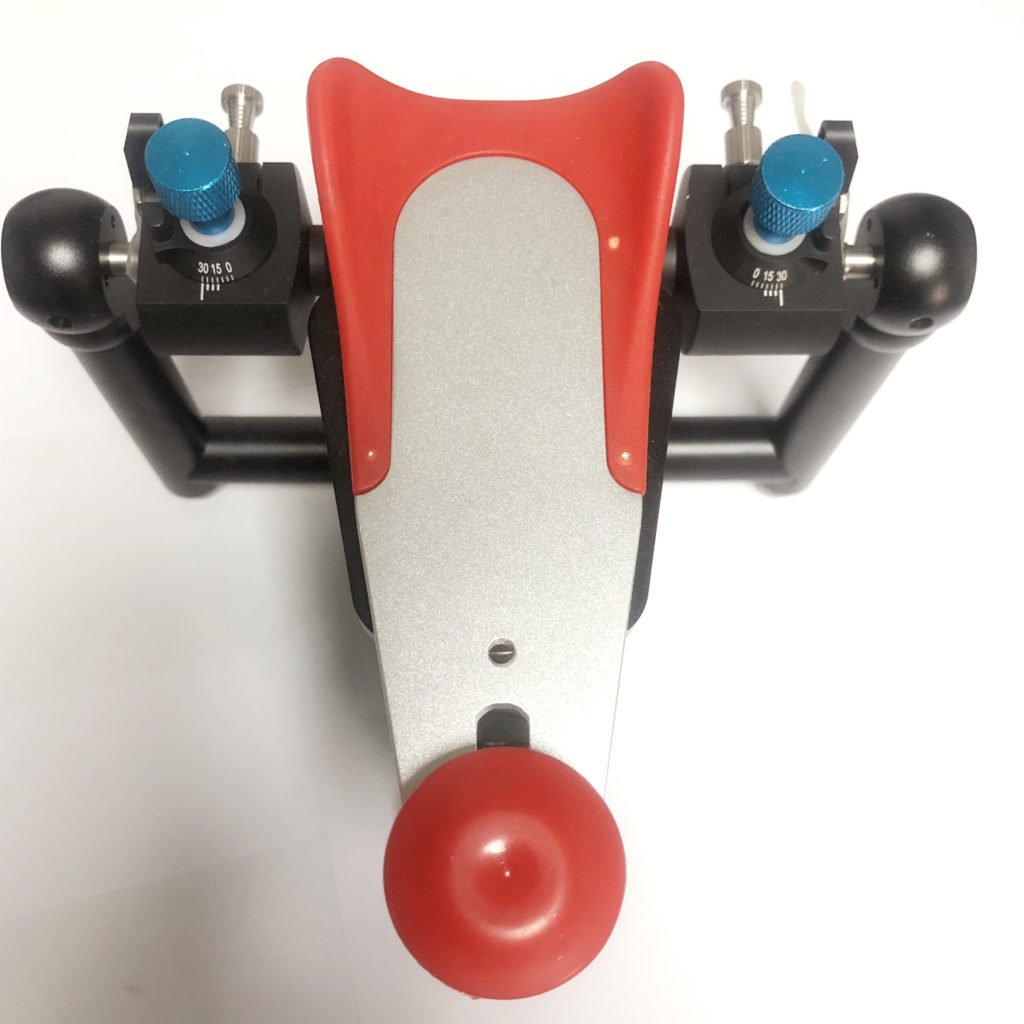
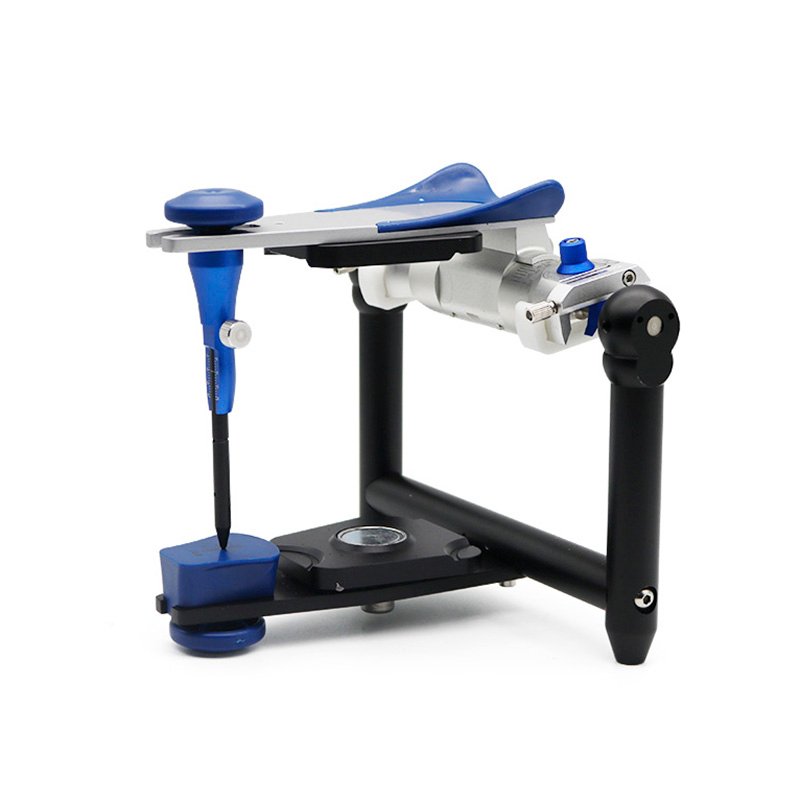
dental articulator semi adjustable

The semi-adjustable articulator is the most common articulator in the dental clinic, and it is the main responsibility to allow the majority of the treatments to carry out. They are especially suitable for dentistry studies and training.

They can be used for all types of mandibular movement, and they will stimulate the condylar trajectories. It allows reproduce the patient’s maxillary and mandibular relationship with the condyles fully.  

  • Fully-adjustable articulator
fully adjustable articulator artex system

The fully-adjustable articulator will allow the independent adjustment of each condyle, and it will duplicate the trajectory. This articulator will be able to record the exact axis rotation, and measure the lateral and protrusive movements.


Difference between a semi-adjustable articulator and a fully-adjustable articulator:

  • The fully-adjustable articulator will have an intercondylar distance of 110mm, and the semi-adjustable articulator is smaller than that so it can’t reach the dimension of the human skull
  • The fully-adjustable articulator tends to have anatomical settings as they are fixed in upper and lower members, but the semi-adjustable articulator looks  fancy and they won’t function properly
  • The semi-adjustable articulator lacks the ability to change intercondylar distance but the fully-adjustable articulator is not

Applications of fully-adjustable articulator:

  • The fully-adjustable articulator will allow the replication of 3D movement of the mandibular motions
  • It will accept facebow records, interocclusal records, protrusive records, and lateral records
  • It is mainly utilized for more complex types of face-bow and lateral records
  • It is mainly designed to reproduce the entire character including border movements, immediate and progressive lateral translation, curvature, and direction of condylar inclination     

Recommended products from Specialty Dental Studio:

  • Semi-adjustable articulator

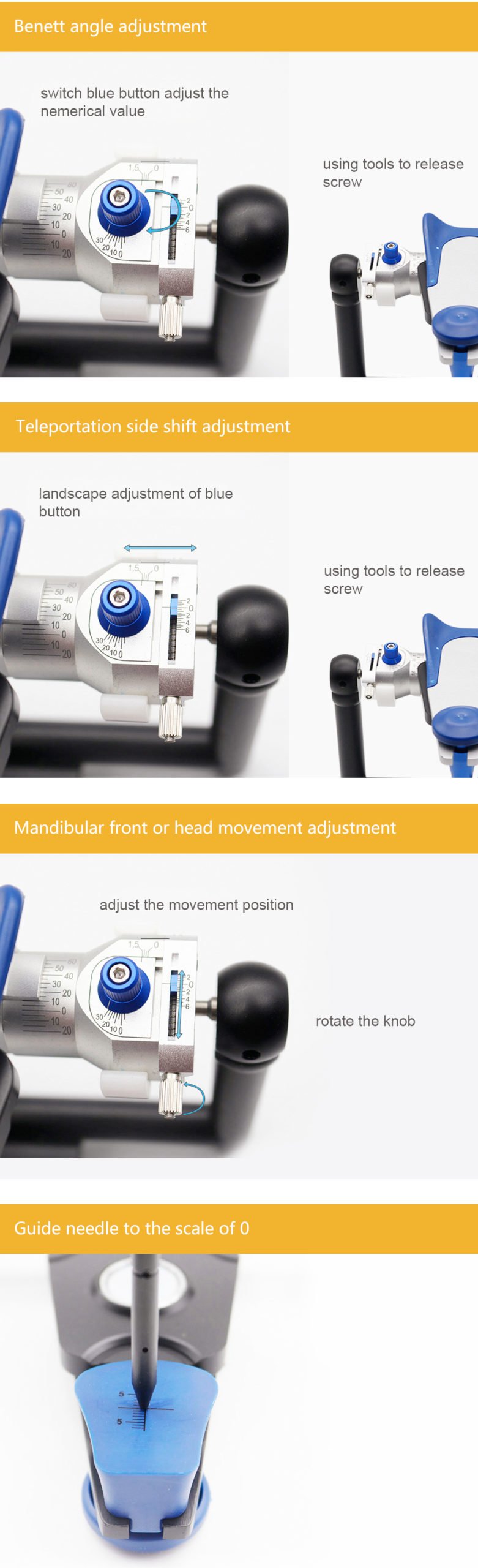
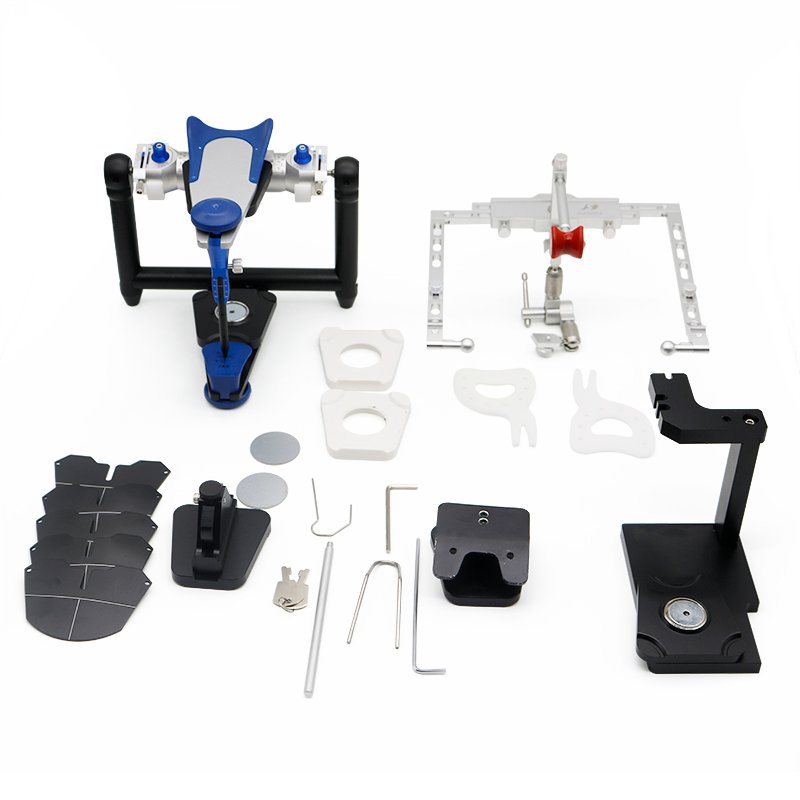
The semi-adjustable articulator is very useful for static and dynamic maxilla-mandibular positions. As it comes with high-precision and multiple adjustments it will achieve excellent reproduction in all the movements. The sturdy construction frame offers exceptional stability and it provides outstanding visibility. This articulator is compatible with the Amann Girrbach Artex Design, and along with the articulator, you will find disposable mounting plates, magnetic baseplates, and splitex key accessories.     

Each semi-adjustable articulator comes with a 3D calibrator, and the restoration model can be transferred from one to another with complete accurate calibration. It offers features such as;

  1. Offer higher accuracy
  2. Comes with multiple settings
  3. Offers robust structure and greater stability
  4. Exceptional visibility
  • Hinge articulator

The hinge articulators are also called hinged dental occluders, and they are considered support instruments. It helps to develop a static relationship with the model which is mounted. But you will observe the static interdental relationship only in the occlusal closure. The main use of this product is using them for arbitrary methods, placing, and fixing models.

The main advantage of this articulator is that it is a small device, so both the cost and assembly time are reduced.

  • Fully-adjustable articulator

As the name suggests, the fully-adjustable articulator will understand all the movements of the patient, and the centric and reproducible system of this articulator will guarantee the exact initial and final position of the movement. This articulator is light, stable, and comes with an ergonomic design, and high precision.

  1. Progressive protrusion adjustable from 0mm to 6mm
  2. Adjustable progressive retrusion is from 0mm to 2mm
  3. This is mainly used for analysis, fabrication, and correction of splints
  • Facebow transfer 
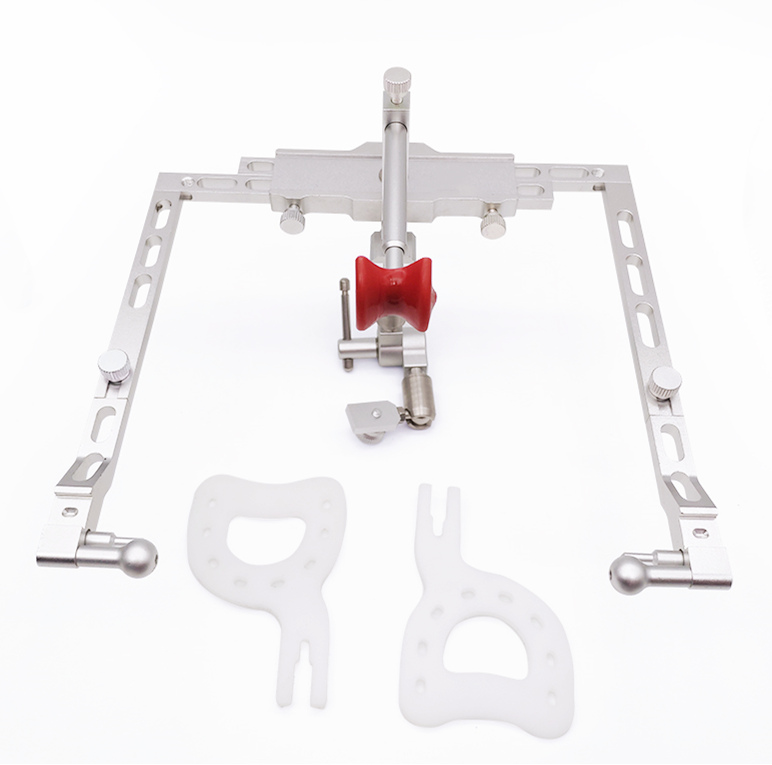
facebow in dentistry application

The facebow transfer is mainly used to transfer the model of axial which is in the cranial relation to the articulator. The articulator has been proven clinically and scientifically, and it is known for being the fastest and most manageable facebow. It gets compatible with the Artex dental system.

Some of the benefits of this facebow articulator are as follows;

  1. Offers fast and safest 3D articulation support
  2. As it has elastic support, so it will make the reliable transfer of the arbitrary shaft position
  3. It will automatically correct the fixation of the skull axis in minutes
artex system facebow articulator kit

Multilayer Zirconia Block-Most Translucent Material

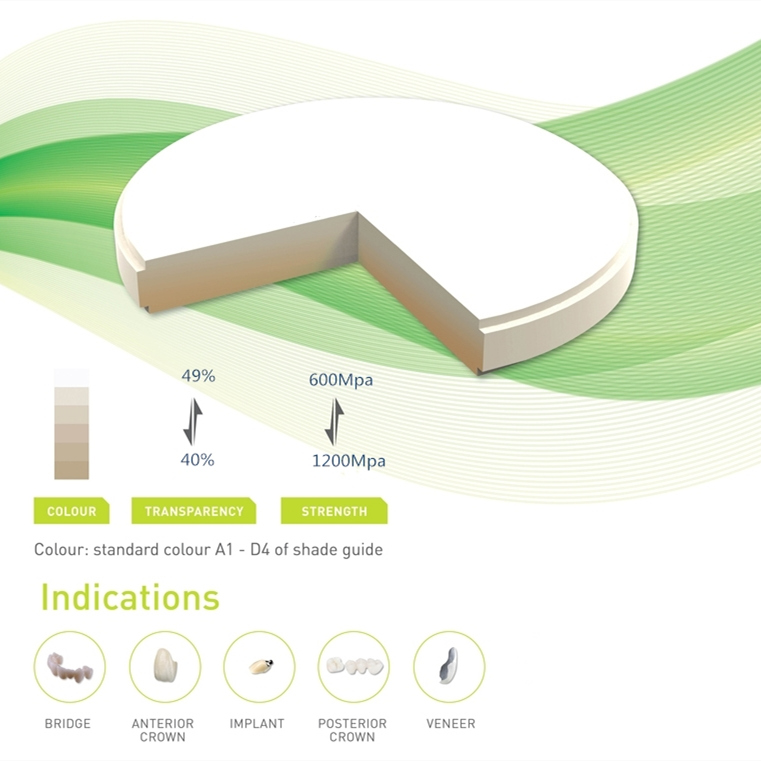
49% translucency multilayer zirconia disk online sales

Most recently, one of the materials that have been used a lot in dental implants, which are zirconia block. The zirconia blocks are introduced as an alternative option for metal-ceramic dental restoration. When compared to the traditional methods, the zirconia restorations have better esthetic due to their excellent optical properties.

But when compared to the traditional zirconia block, the multilayered block has various advantages. So, let’s see the huge difference between traditional and multilayered zirconia blocks.  

What is multilayered zirconia?

In the traditional zirconia block, the manufacturing process consists of an additional step where you need to lay the colors step by step. So, it will get the original beauty effect, but if you take the multilayered zirconia, you don’t have to do the above-mentioned additional process. As it consists of 6 layers and vita shade of 16 colors are available, so it will give an aesthetic effect.

Not only the color, but also the multilayered zirconia block comes with a lot of other benefits than traditional zirconia. Some main advantages are its durability, high biocompatibility, high strength mechanical properties, and it will give a permanent result with its optimal aesthetic property.

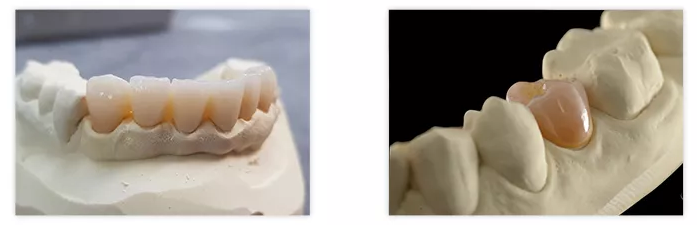
CAD-CAM Multilayer Zirconia Case
Multilayer zirconia prosthesis

Other than this, the multilayered zirconia block will have a natural transition, higher transparency, and a top aesthetic restorative effect. This makes many doctors choose multilayered zirconia, and even they are recommending it for many patients because of its excellent results.

Here are the features of the multilayered zirconia block which will let you know how advanced it is when compared to the traditional zirconia block;

  • Comes with an excellent quality
  • Higher strength
  • Higher translucency
  • Have superior mechanical properties
  • It has six layers of color natural transition
  • It gives a fluent line top aesthetic effect
  • Compatible with open CAD/CAM system
  • It has good aging resistance and biocompatibility

Difference between monolithic and layered zirconia:

Both monolithic and layered zirconia comes with a primary goal of offering minimum damage and maximum longevity. But still, it comes with major differences such as;

  • As the layered zirconia is stacked over the core of the restoration, it offers a flexural strength of 600 to 1200Mpa. While the monolithic restoration will offer higher flexural strength of  900 to 1400Mpa.
  • The layered zirconia is mostly placed in the posterior zone or in the anterior zone for a short span of time or posterior bridges. The monolithic will match the natural dentin and enamel, which is considered the biggest advantage
  • The polished unglazed monolithic resulted in less teeth wear when compared to the layered zirconia

How strong are zirconia bridges?

Even though ceramic materials have been widely used in the dental industry, they still lack the strength and durability which is required for posterior restorations. That is when zirconia was introduced in the dental industry, and it was the solution to various problems as it comes with excellent strength and aesthetics.

Zirconia is strong enough and also compatible well with the tissues. Even the zirconia block is considered the best option for people who have metal allergies. In that list, Zirconia Bridge is considered to be the strongest material, comes with great biocompatible, and also offers highly aesthetic choice.

This type of solid zirconia bridge is made from pure zirconia, so it offers a flexural strength of 1200Mpa. It is an extremely strong material, and it is the best suitable for patients who are having bruxism. This material for sure will increase customer satisfaction.

Recommended zirconia block products:

The high-strength multilayer zirconia block is the latest generation of the dental multilayer zirconia block, and it is specially developed using the multi-layer concept. The best part of this block is that it will match the natural shade gradient in the teeth. Here, the zirconia base is coated with porcelain to get the natural restoration look.

This is made by milling the porcelain which is fused with a zirconia crown, and then it is developed using computer-aided design or computer-aided manufacturing technology. Here are the features of the high-strength 1200Mpa zirconia block;

High strength multilayer zirconia dental feature
High strength 1200Mpa Multilayer Zirconia Feature
  1. The six-layer transitional gradient color gives seamless look from the enamel layer to the body dentin layer
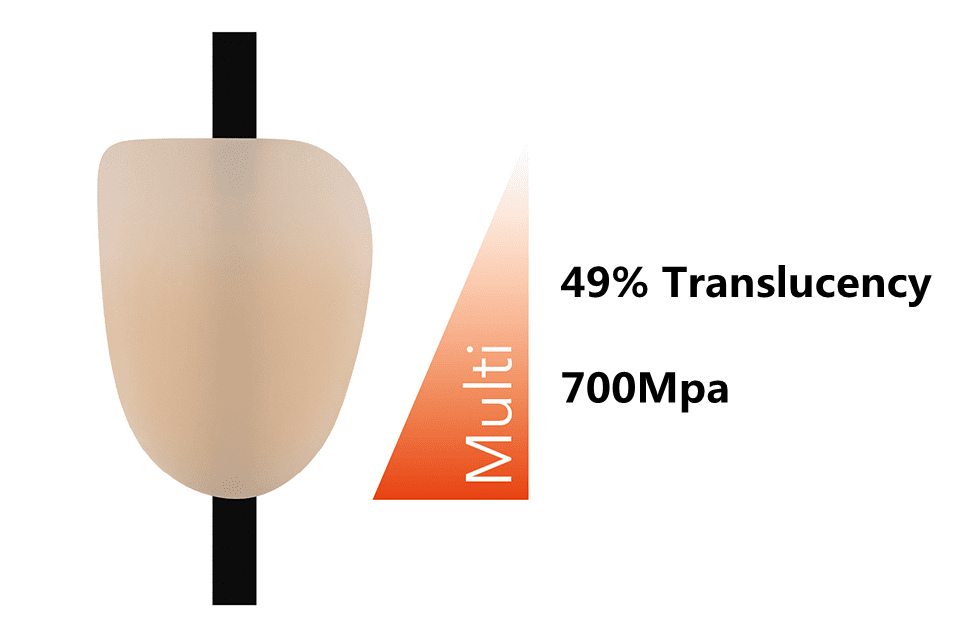
  2. It offers great aesthetic translucency of 49% at incisal and 40% at cervical
  3. It offers bending strength of 600Mpa at incisal and 1200Mpa at the cervical region
  4. Comes with vita 16 plus blench shade such as BL1, BL2, BL3, BL4

This type of zirconia block can be used to make bridges, crowns, implants, and veneers, and is most recommended for the posterior crown as it has a high bending strength of 1200Mpa.

The anterior multi-layer zirconia block is an Ultra Transmittance Multi-Layer (UT ML) block. It is processed by CAD/CAM dental block multilayer zirconium oxide and with a natural color gradient. This block consists of six layers of zirconia in nature transition shades, so it will allow the fabrication of prosthesis-colored restoration.

It will save a lot of time, and let’s check the features of this anterior zirconia block;

49% translucency multilayer zirconia disk
Super high 49% translucency multilayer zirconia feature
  1. Comes with super translucency of 49% which is from incisal to the cervical region
  2. Offers high flexural strength of 700Mpa
  3. Six layers of natural color gradient transition come seamlessly
  4. Offers vita 16 plus blench shade such as BL1, BL2, BL3, BL4

It is mainly used in the fabrication of highly aesthetic restoration for crown and bridge restoration in the anterior region and is also most suitable for the veneer.

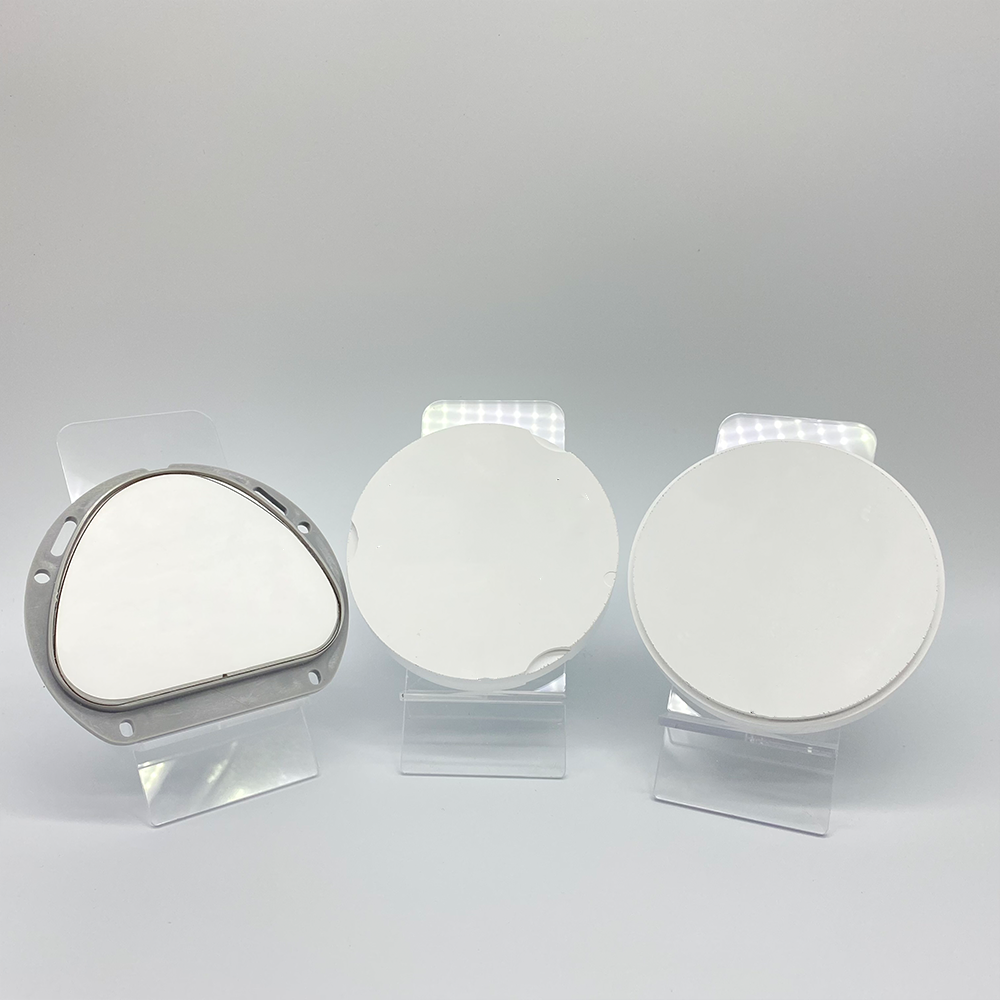
This is an original zirconia block, and it comes with a non-shaded variation, which can be used as a base to achieve a range of hues. This is a versatile product as it works with the most well-known brands of staining liquids.

cad cam zirconia dental blank
White Zirconia Blocks Product Series
  1. It has a super translucency of 43%
  2. Offers a strength of >1000Mpa
  3. The disc height ranges from 10 mm to 25 mm
  4. Compatible with CAD/CAM

It is mainly used to manufacture customized crowns and bridges, implant veneers, and others, especially in the fixed zirconium prosthesis.

If you are interested to get all ideas of zirconia blocks, click here https://www.specialtydentalstudio.com/product-category/zirconia-disc/

Dental Research

Digital Dental Research is a new form of research that has been made possible due to the advancement in technology.

Digital dental research is an emerging field of study that has been made possible due to the advancement in technology. It is also called digital dentistry or e-dentistry. The main purpose of this type of research is to explore and understand the latest updates on dental care, dental materials, and various other topics related to dentistry.

In the era of digitalization, dental research has also been digitized. The use of digital technology in dental research has enabled a much more efficient and effective way to gather and analyze data.

Oral health in the community

As well as giving you dental advice, education and treatment in a dental practice setting, many health professionals also enjoy taking their skills and knowledge out into local communities.

Oral health promotional teams, educators and other dental professionals often take time to provide services outside of the dental practice, giving something back to nearby residents. 

Places which your local dental team would be most likely to deliver oral health education include:

  • Nurseries and schools.
  • Public places like town centers and shopping malls.
  • Community centers and homeless shelters.
  • Workplaces.
  • Residential and care homes.

If you work in a school, are part of a HR team, a carer in a residential home, or anywhere where you think a large group of people may benefit from a visit from a local oral health promotion team, then reach out to them. You might be pleasantly surprised how willing they are to help you.

There are also many community dental clinics where you can access care. These as we are mostly ‘referral’ dental services, providing specialist care and expertise through a surgery or mobile clinic.

Below, are some of the most popular and effective events and activities they could potentially help you with:

  • Campaigns: Initiatives like National Smile Month and Dental Buddy are both highly influential in communicating positive oral health messages in a fun and engaging way. Both of these programmes focus on interactivity and personal involvement.
  • Demonstrations: Tooth brushing demonstrations are a great way to draw attention and educate any number of groups, large or small. They are fun, encourage a question and answer environment and the practical nature of learning allows for greater acceptance of the messages being taught.
  • Mouth cancer awareness: With smoking, drinking alcohol to excess, poor diets and sexual activity as the leading causes, it is increasingly necessary to learn more about mouth cancer. Education about the early warning signs and what to look out for, how to conduct self-check, and where to go if you find anything suspicious, could help your group become more Mouthaware.
  • Oral health checks: This one is a little more complex as it will require your dental team to provide certain materials that create a safe and hygienic environment for your group. Despite this, we have seen many examples of dental teams giving groups oral health checks. These can help spot dental problems early on and prevent them from developing into something more serious – which could be especially useful if you do not think your group visits the dentist regularly.
  • Diet and sugar: Education around the importance of a healthy diet and the impact that sugar plays on oral health can help reduce incidences of dental decay. You could ask a local dental team to do a presentation or active sessions about what foods and drinks to avoid while promoting healthier low-in sugar or sugar free alternatives.

Any of these ideas could be applied to a variety of audiences. The importance of oral health education in the community should not be downplayed and can have a very positive impact on dental health of the population.

We offer a variety of dental repair services, all of which are designed to restore your smile back to its original beauty. We use only the latest and most advanced dental technologies and techniques to ensure that you receive the best possible care.

We understand that each patient’s needs are unique, which is why we offer a personalized approach to every dental repair we perform. We’ll work closely with you to ensure that your specific needs are met and that you’re completely satisfied with the results.